Understanding Your Home’s Plumbing System: A Comprehensive Guide Jan 05, 2026
At the heart of every home's plumbing system are two basic subsystems: the water supply system and the drainage system. The water supply system delivers clean water to showers, faucets, and toilets. This process typically involves water traveling from municipal sources or a private well through a network of pipes. It's important to be aware of the water pressure, as excessive pressure can strain your pipes, leading to potential leaks or bursts.
On the other hand, the drainage system is responsible for the removal of wastewater. Unlike the supply system, which relies on pressure, the drainage system depends on gravity. This network starts at the fixtures in your home and connects to the main sewer line or septic tank, using gravity to push waste down and out. Vent pipes are also crucial; they allow sewer gases to escape and maintain proper pressure within the drainage pipes.
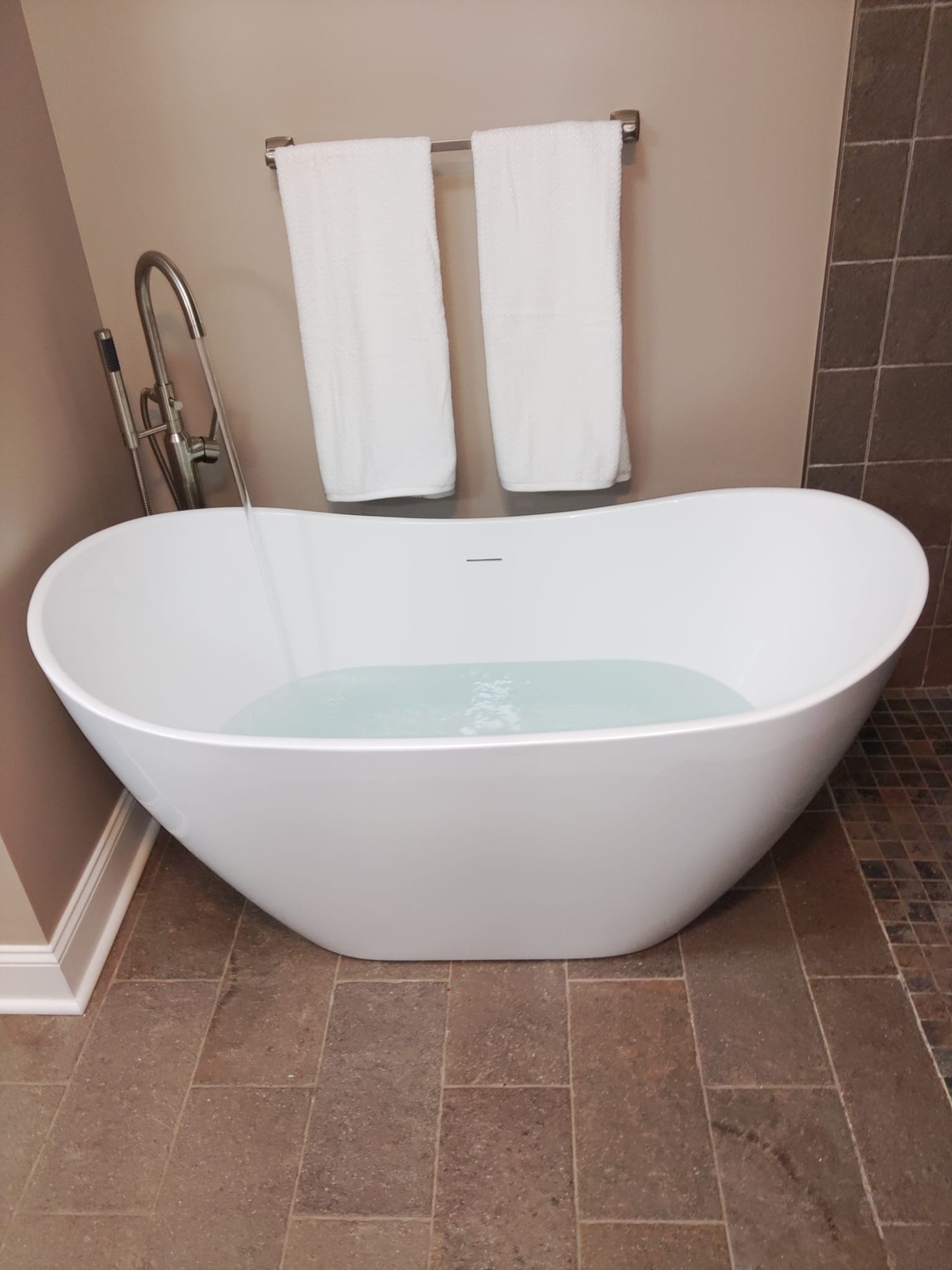
Understanding the role of plumbing fixtures and fittings is another key aspect. Fixtures, such as sinks and bathtubs, are designed for user interaction, while fittings are the components that link pipes and fixtures. Regular inspection of visible fittings can prevent minor issues from evolving into major headaches.
Pipes themselves are a major consideration, with materials ranging from copper and galvanized steel to newer PVC and PEX. Each material has its pros and cons—copper is durable and resists corrosion, while PEX is flexible and easier to install in tight spaces. Awareness of the pipe materials used in your home can help you make informed decisions about repairs or replacements.
Routine maintenance is the best prevention method to avoid plumbing issues. Simple tasks like cleaning drains monthly can prevent clogs, and scheduling annual inspections with a trusted plumbing service like Plumb South can catch issues before they become costly repairs. Pay attention to signs of potential problems, such as reduced water pressure or slow drains, as these could indicate larger issues.
Homeowners should also be familiar with the location and operation of key components like the main water shut-off valve and individual shut-off valves for various appliances and fixtures. Knowing how to quickly shut off water in an emergency can prevent significant damage to your home.
In conclusion, understanding your home’s plumbing system not only assists in maintaining its functionality but also increases your ability to address issues confidently. Through regular maintenance and a focus on the basic components—from water supply, drainage systems to pipes and fittings—homeowners can prevent unexpected problems. When in doubt, consulting with a professional service such as Plumb South ensures that your home’s plumbing remains in peak condition. Empower yourself with knowledge and earn peace of mind about your home’s plumbing health.
/filters:no_upscale()/filters:format(webp)/media/193f0458-d624-4d27-94c3-c2989e86bcaa.jpeg)
/filters:no_upscale()/filters:format(webp)/media/affd714a-8f44-468a-b6bc-dd6fe40d6a82.jpeg)